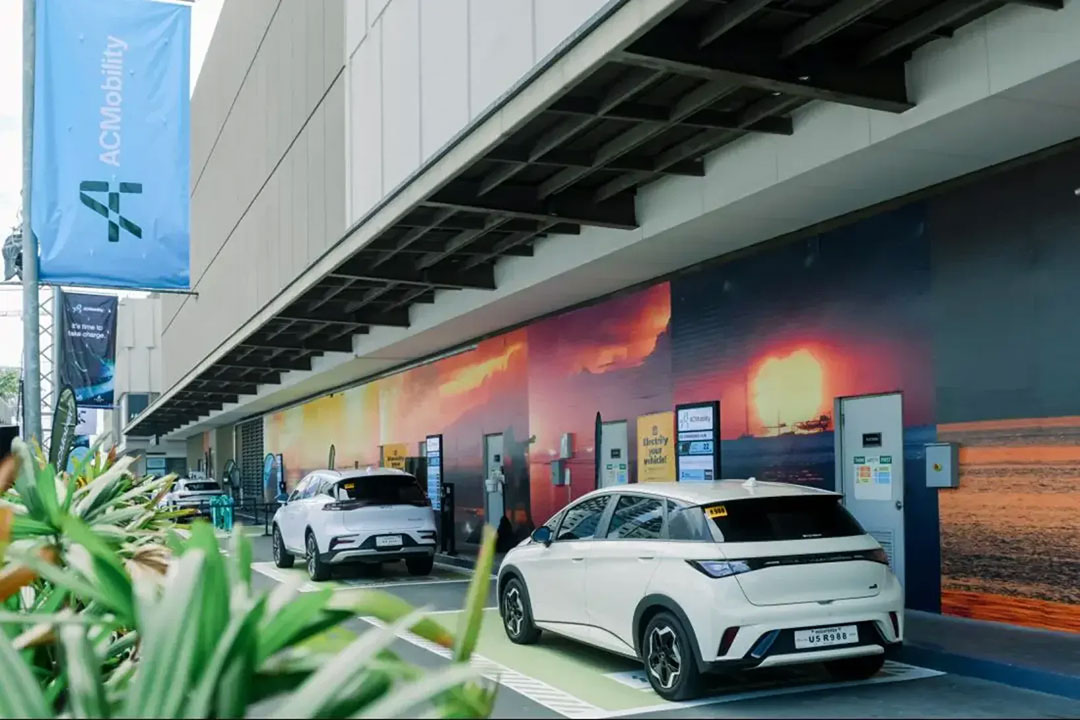
- ACMobility aims to establish over 1,000 EV charging points across the Philippines by the end of the year, reflecting a significant push towards enhancing the country's EV infrastructure.
- The company currently operates more than 500 charging points across 200 locations, indicating a strong foundation for rapid expansion.
- This initiative aligns with broader efforts to promote electric vehicle adoption in the Philippines, signaling a commitment to sustainable transportation solutions.
The urgency of ACMobility's initiative to expand its electric vehicle charging network cannot be overstated, especially as the Philippines grapples with the need for sustainable transportation solutions. With a target of over 1,000 charging points by year-end, the company is positioning itself as a key player in the transition to electric mobility. This move not only addresses the growing demand for EV infrastructure but also aligns with global trends towards decarbonization and energy efficiency in transportation systems.
Currently, ACMobility operates more than 500 charging points across 200 locations, which serves as a robust foundation for its ambitious expansion plans. The company's strategy to push beyond the 1,000 mark within the same year demonstrates a proactive approach to meet the increasing needs of electric vehicle users. By enhancing the availability of charging stations, ACMobility is effectively reducing one of the significant barriers to EV adoption: range anxiety. This expansion is crucial as it supports both current EV owners and potential buyers who may be hesitant due to insufficient charging infrastructure.
The implications of this expansion are profound, particularly in the context of the Philippines' commitment to sustainable development. As the government and private sector increasingly recognize the importance of clean energy solutions, ACMobility's efforts contribute to a broader ecosystem that encourages the use of electric vehicles. This initiative not only supports environmental goals but also fosters economic growth through the creation of jobs associated with the installation and maintenance of charging stations.
In conclusion, ACMobility's aggressive expansion of its EV charging network is a critical step towards facilitating the adoption of electric vehicles in the Philippines. By targeting over 1,000 charging points by the end of the year, the company is not only enhancing its market position but also playing a vital role in the transition to a more sustainable transportation framework. The success of this initiative will likely serve as a model for other regions looking to bolster their EV infrastructure and promote cleaner energy solutions.